Tulum Travel Guide for MICE Venue Selection
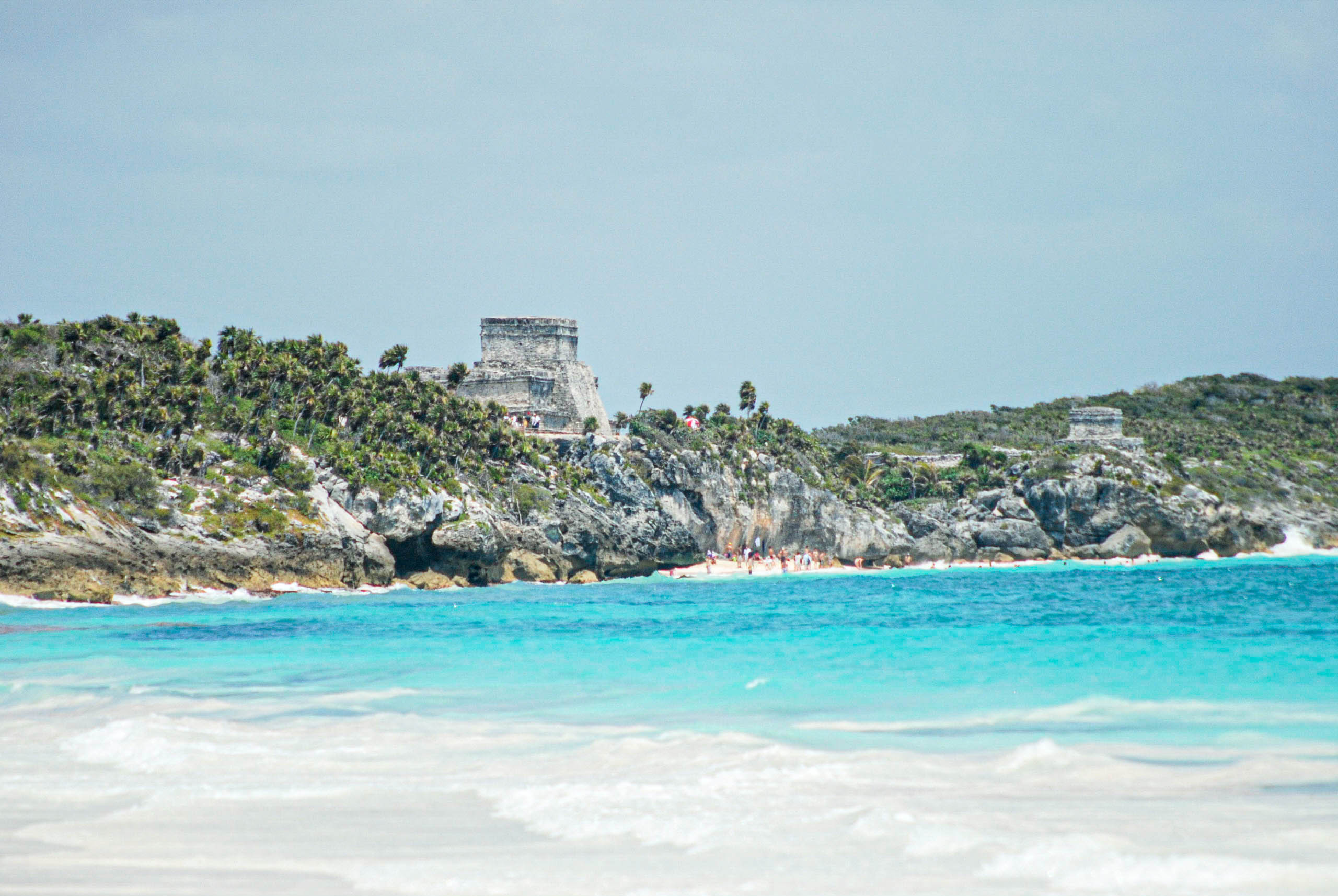
A Tulum travel guide for MICE venue selection starts with a reality that can affect the entire program: a beautiful hotel is not automatically a practical meeting hotel. Tulum delivers a distinctive Riviera Maya setting, but its geography, road conditions, room inventory, event infrastructure, and transfer times require careful evaluation. For planners sourcing from the United States, local orientation is what turns destination appeal into a workable event experience.
Why Tulum Requires Local MICE Guidance
Tulum is not one uniform hotel zone. Properties may be located along the beach road, closer to downtown, within larger resort areas outside the core destination, or positioned farther along the Riviera Maya corridor. Each location creates a different operating experience for attendees, suppliers, and production teams.
A hotel near the beach may offer the atmosphere an incentive program wants, yet access can be more constrained for motor coaches, freight deliveries, audiovisual crews, and guests arriving at different times. Narrow roads, traffic patterns, limited parking, and distance from major transportation routes can add pressure to a program schedule. A venue that looks ideal in photography may need a more detailed transportation plan than a planner initially expects.
This does not make one area better than another. It means the right choice depends on the group’s priorities. An executive retreat with a controlled arrival schedule has different needs than a conference requiring multiple breakout rooms, frequent airport transfers, exhibit load-in, and evening functions at separate locations.
A Tulum Travel Guide for MICE Hotel Selection
The first question should not be, “Which hotel is most appealing?” It should be, “Which property can support the program we are producing?” Start by confirming the meeting profile: attendee count, room block, general sessions, breakouts, outdoor functions, production requirements, transportation needs, and desired off-site experiences.
Then assess the hotel through an operational lens. Meeting space should be measured not only by total square footage but also by room configuration, ceiling height, load-in routes, power capacity, sound limitations, weather contingencies, and the distance between guest rooms and function spaces. Outdoor venues can be memorable in Tulum, but they require a credible rain plan, lighting strategy, and clear understanding of local noise or timing restrictions.
Accessibility is equally important. Some hotels have an approach that is easy for individual guests in private transfers but challenging for larger group movements. If attendees will arrive from either fro the Tulum International Airport or Cancun International Airport, travel time should be evaluated at the hours your group will actually travel, not under ideal conditions. The airport-to-hotel transfer is part of the attendee experience, especially for short programs where every hour matters.
Mexico Venue Finders helps planners compare venue options with destination context, so the sourcing conversation can focus on fit rather than assumptions. A local perspective can identify which properties are suitable for meeting-intensive agendas and which are better for programs with lighter event requirements.
All-Inclusive Benefits Must Be Negotiated Carefully
For many groups, an all-inclusive resort can simplify budgeting and create a more controlled guest experience. However, “all-inclusive” is not a universal definition. The inclusions that work for a leisure stay may not cover the needs of a professional meeting or incentive program.
Before comparing offers, clarify what is included for the group and what remains a separate event expense. Food and beverage may include standard restaurant service but exclude private receptions, premium brands, banquet menus, beach setups, specialty dining buyouts, late-night service, or service charges. Meeting packages may also be separate from the room plan, particularly when groups require dedicated event space or customized production.
Negotiation is strongest when the planner understands the local competitive set and the property’s operational model. Room pickup, seasonality, length of stay, day patterns, and total food and beverage potential can all influence available concessions. Depending on the program, worthwhile negotiations may include upgraded room categories, private-function inclusions, group transfers, meeting space rental, welcome amenities, or concessions tied to production and banquet spend.
The goal is not simply to obtain the lowest rate. It is to secure terms that protect the guest experience and prevent budget surprises after contracting.
Build the Site Inspection Around Real Program Movement
A site inspection should follow the attendee journey. Review the arrival point, motor coach access, lobby flow, room locations, general session space, breakout rooms, outdoor function areas, kitchens, loading access, and departure process. Ask how suppliers enter the property, where equipment is stored, and what happens if weather changes the plan.
Also test the timing. A five-minute walk on a map can become a longer transition in heat, rain, formal attire, or a group of several hundred attendees. For Tulum programs, these details often separate a visually impressive itinerary from one that feels organized and comfortable.
The best Tulum program is not defined only by its setting. It is defined by a venue choice that supports the agenda, protects logistics, and gives guests time to enjoy the destination with confidence.
At Mexico Venue Finders, we are experts in determining the best vendor that can suit your event. We are very familiar with the destinations and logistics and we can give you a very reliable advice. If you are a meeting planner considering Mexico for your next conference, corporate meeting, incentive program, retreat, or special event, I invite you to make Mexico Venue Finders part of your sourcing process.